Moving abroad marks an exciting new chapter, but it comes with plenty of logistical challenges — especially when deciding what to do with your furniture. Should you take it with you, put it in storage or replace it when you arrive? Moving furniture overseas can be costly and complicated, but for many people, certain pieces are too valuable or sentimental to leave behind.
In this guide, we’ll walk you through everything you need to know about moving furniture abroad, from choosing the right shipping method to navigating customs and finding cost-effective alternatives. Whether you’re relocating permanently or just moving for a few years, we’ll help you make the best decision for your situation.
Should You Move Your Furniture Abroad?
Moving abroad is no small feat, and deciding whether to take your furniture with you is one of many decisions you’ll need to make. Some pieces may be too sentimental or valuable to part with, while others might not be worth the hassle or expense of shipping.
Before you start looking for international movers and researching import licenses, it’s worth taking the time to think about a few key questions…
Will it be cheaper to move or replace?
Shipping furniture overseas isn’t cheap, and costs can quickly add up depending on how much you’re shipping and where it’s going. In some cases, replacing furniture at your destination might be more cost-effective than transporting it.
It’s worth researching how expensive furniture is in your new country — some places have lower costs, while others may be pricier or lack the quality you’re used to. If you’ve already invested in high-quality furniture, moving it could be cheaper than buying it all again. However, if your furniture can be easily replaced at IKEA, the cost of shipping might not be worth it.
How long are you moving for?
If your move is permanent, shipping furniture will make more sense. But if it’s only temporary — whether for work, study or simply a change of scenery — you’ll need to weigh up whether the effort and expense are worth it. For shorter stays, many people choose to rent a furnished home instead of buying new furniture.
Another option is to leave your furniture in self storage while you’re abroad. This can be a practical and cost-effective alternative if you’re planning to return in a year or two, saving you from buying everything again when you return to the UK.
Will your furniture fit in your new home?
What works in a UK home might not fit as well in another country. Properties abroad can have very different layouts and room sizes. Some countries have narrower doorways, smaller rooms, or architectural styles that might not suit certain furniture.
Before you commit to shipping, it’s worth checking the floor plan of your new home and measuring key pieces of furniture to see if they’ll fit. The last thing you want is to go through the trouble of moving a large sofa or wardrobe, only to find it doesn’t make it through the door, no matter how much you pivot.
Is your furniture sentimental, valuable or irreplaceable?
Some pieces of furniture are more than just practical home accessories — they can hold personal and financial value. If you have antique furniture, designer pieces or sentimental items, moving them abroad could be worth it.
If you’re unsure, consider which items you’d genuinely miss and which could be sold or donated before the move. For some, the emotional attachment is worth the hassle, whereas other people may find a fresh start with new furniture to be the better choice.
Pro Tip: If your new home is fully furnished or you’re only moving for a short time, keeping your furniture in self storage can be much cheaper than shipping it abroad and back again.
How to Move Furniture Overseas
Once you’ve made the decision to take your furniture with you, the next step is figuring out how to move it. International furniture shipping isn’t as simple as hiring a removal company for a local move — there are different shipping methods, customs regulations and logistical challenges to consider, which is what we’ll cover in this section.
Finding a Reliable International Moving Company
Firstly, not all moving companies handle international shipping, so it’s important to choose one with experience in overseas relocations. A good international mover will not only transport your furniture but also help with the paperwork, customs clearance and insurance.
When researching moving companies, look for:
- Experience with international moves, ideally to your destination country
- Accreditations from industry bodies like BAR (British Association of Removers) or FIDI
- Comprehensive insurance options to protect your furniture in transit
- Transparent pricing with no hidden fees
- Positive customer reviews and recommendations
It’s always worth getting quotes from at least three companies to compare costs and services. Some movers offer door-to-door shipping, handling everything from packing to customs clearance, while others provide port-to-port transport, leaving you to manage the final leg of the journey.
Pro Tip: International movers often offer groupage (shared container) services, which can significantly cut costs if you’re only moving a handful of items.
Choosing the Right Shipping Method
The best way to move your furniture depends on how much you’re taking, your budget and how quickly you want everything to arrive. Here are the most common options:
Full Container Load (FCL)
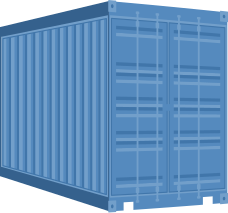
If you’re shipping most of your household furniture, a full container (either 20ft or 40ft) will likely be the most practical option. Your furniture will be packed into a dedicated shipping container, which will then be transported by sea freight. While this can be expensive, it can be the most efficient way to move a large volume of furniture.
Groupage (Shared Container Shipping)
If you don’t have enough furniture to fill a container, groupage may be a more affordable option. Your belongings are packed alongside shipments from other people moving to the same destination. This means you only pay for the space you use, making it a cost-effective alternative for smaller moves.
The only downside is that groupage can take longer, as the container needs to be filled before it ships and there may be other stops before your destination.
Air Freight
Air freight is the fastest option but also the most expensive. It’s typically only used for essential items or when time is a priority. While shipping furniture by plane isn’t common, it can be useful if you need a few key pieces quickly before the rest of your belongings arrive.
Road Freight (for European Moves)
If you’re moving within Europe, transporting furniture by road is another option. This can be quicker and more flexible than sea freight, and in some cases, it may be cheaper than container shipping. However, costs will vary depending on distance, fuel prices and customs requirements.
DIY: Driving It Yourself
The final option is to rent a van, fill it with your belongings and drive it yourself, which could be a cost-effective alternative to shipping. Many rental companies offer one-way hire, allowing you to pick up a van in the UK and drop it off in another country. This option gives you full control over your belongings and avoids long shipping delays, but it does come with some limitations — including how much you can fit in the van!
Here are some things to keep in mind:
- Fuel & Rental Costs: These can quickly add up, especially over long distances.
- Border Regulations: International moving companies can save a lot of time and hassle when it comes to the bureaucracy of customs and import regulations. Without them, you’ll need to do this yourself.
- Driving Requirements: Depending on where you’re moving to and the vehicle you’re driving, you may need an international driving permit.
For smaller moves, a self-drive option can be a practical and flexible solution, especially if you’re comfortable with long-distance driving. However, if you’re moving an entire household, a shipping container or professional mover may be more practical.
Packing & Preparing Furniture for International Shipping
Shipping furniture overseas requires extra care to protect it from damage. Unlike local moves, your furniture may spend weeks in transit, facing temperature changes, movement and handling at multiple checkpoints.
Here’s how to prepare your furniture properly:
- Disassemble Larger Items: Bed frames, sofas, tables and wardrobes can all be taken apart to save space and reduce the risk of scuffs, scratches and other damage.
Pro Tip: Keep screws and fittings for each piece of furniture together in labelled bags. You can either tape these to a part of the furniture to keep them together or take them with you to ensure they don’t get lost along the way. - Wrap Fragile Items: Use bubble wrap, moving blankets and specialist export wrapping. Pay extra attention to glass, mirrors and antique furniture.
- Use Sturdy Packing Materials: Good-quality boxes and materials will help protect furniture from knocks, bumps and moisture during transit. Remember that waterproof packing is essential for anything being shipped by boat.
- Label Everything: You can make unpacking much easier and ensure movers handle fragile items with care with a labelling system.
Professional moving companies will most likely offer packing services, which can be worth the extra cost. Not only does it save you time and hassle, but also ensures that your furniture is properly secured for international travel.
What Happens When Your Furniture Arrives?
Shipping furniture overseas is just one part of the process — once it reaches your destination, there are (depending on your shipping method) a few more steps before it arrives safely in your new home. From customs clearance to final delivery, here’s what to expect.
Delivery Options
When arranging your shipment, you’ll usually have the choice of two delivery options.
- Door-to-Door: Your furniture is collected from your UK home and delivered directly to your new address. This is the most convenient option, as the shipping company handles customs clearance and local delivery.
- Port-to-Port: Your furniture is shipped between two ports, and you’re responsible for arranging transport to and from the terminals. While this can be cheaper, it requires more effort and knowledge of local import procedures.
Many international moving companies offer both door-to-port and port-to-door services, so you can choose the one that best suits your budget and needs.
Storage In Case Your New Home Isn’t Ready
If your furniture arrives before you can move into your new home, you’ll need a plan for temporary storage. Many moving companies offer short-term storage solutions, or you can rent a local self storage unit in your destination country.
Key things to check when arranging storage abroad:
- Security: Look for facilities with 24/7 surveillance and secure access.
- Climate Control: In hot or humid countries, climate-controlled storage can help protect wooden and upholstered furniture.
- Access: If you need to retrieve certain items before moving in, check whether the storage provider allows easy access.
Dealing with Customs Clearance Delays
Even if your shipment arrives on time, customs clearance can sometimes cause unexpected delays. To avoid issues:
- Ensure all paperwork (including inventory lists and shipping documents) is accurate and complete.
- Check whether any import duties or taxes are payable before collection.
- Be aware of any restricted or prohibited items that could hold up clearance.
Most reputable moving companies will handle customs formalities for you, but it’s still worth familiarising yourself with what’s needed in advance.
Pro Tip: If you’re shipping a high-value or antique item, you may need to provide proof of purchase or an appraisal to avoid excessive import taxes.
Customs, Taxes & Restrictions
Navigating customs regulations, import taxes and potential restrictions can be complicated. However, failing to prepare for these in advance can lead to unexpected costs and delays, so it’s important to understand the rules before your furniture arrives.
Import Rules & Restrictions
Every country has its own import regulations, and what’s allowed in one place might be restricted in another. Some countries have strict rules on bringing in wooden furniture due to pest control concerns, while others may require proof that certain items are second-hand to avoid import duties.
Before shipping your furniture, check:
- Whether any materials (e.g., untreated wood, animal-based upholstery) are restricted.
- If there are specific cleaning or fumigation requirements for imported furniture.
- Whether high-value furniture needs to be declared separately.
Your international moving company should be able to advise on country-specific regulations, but it’s always best to double-check with the relevant customs authority.
Potential Taxes and Fees
Import taxes and duties can add to the cost of shipping furniture abroad, and these vary depending on the country and the value of your shipment. Some governments charge import VAT on all furniture shipments, while others only apply duties above a certain value threshold.
To avoid unexpected fees:
- Check duty-free allowances: Some countries allow you to bring household goods duty-free if you’ve lived abroad for a certain period.
- Declare high-value furniture: Customs authorities may require proof of value for expensive pieces.
- Factor in customs clearance fees: Some moving companies include these in their quotes, but others charge separately.
Pro Tip: If you’re moving for work, it’s worth checking your relocation package to see if your employer covers customs and shipping fees.
Importing Furniture Back to the UK
If you’re moving abroad temporarily and plan to bring your furniture back to the UK, it’s worth checking whether any of your belongings can be re-imported with Returned Goods Relief. Provided they meet certain conditions and eligibility criteria, this allows you to bring your items back to the UK without paying import duties.
There are lots of factors that can sway whether you can benefit from Returned Goods Relief, but a major one is time. For most people, their belongings must be returned to the UK no later than three years after they were exported. However, if you’re a crown servant (typically diplomatic and embassy staff, armed forces and consular personnel) you have up to six years to return your belongings to the UK.
To avoid unnecessary costs when returning to the UK, keep records of:
- The original purchase of any high-value furniture.
- Export documents proving the furniture was previously in the UK.
- Any customs paperwork from your destination country.
How Much Does It Cost to Move Furniture Overseas?
The cost of moving furniture abroad can vary widely, depending on factors like distance, shipping method and the size of your shipment. While moving a few key pieces might be reasonable, transporting the contents of an entire household can be much more expensive.
Understanding the costs involved will help you decide whether shipping your furniture is worth it — or if it’s better to sell, store or replace your belongings.
The Cost of Moving Furniture Overseas
Aside from getting a quote from a removals company, it’s difficult to estimate the total cost of shipping your furniture overseas as there are many factors at play, including:
- Destination: The further you’re shipping, the more you’ll pay. Some locations also have higher customs fees and import taxes.
- Shipping Method: A full container (FCL) will cost more than groupage (shared shipping), while air freight is usually the most expensive option.
- Weight & Volume: The more furniture you move, the more you’ll pay. International movers often calculate costs based on cubic metres, so large or heavy items will increase the price.
- Packing & Insurance: Professional packing services and shipping insurance add to the overall cost but help protect your belongings from damage.
- Customs & Import Fees: Some countries charge duties and taxes on imported furniture, especially for high-value items. It’s important to check the rules before you ship.
While it may be difficult to come up with an accurate quote on your own, these same factors can help you form a rough idea of how much your move could cost on a scale of ‘affordable’ to ‘expensive’.
Saving Money When Moving Furniture Overseas
If you’re set on shipping furniture but want to cut costs, here are some ways to keep expenses down:
- Compare Quotes: Get multiple estimates from international moving companies to find the best deal.
- Use Groupage Shipping: Sharing a container with others can significantly cut the total cost.
- Downsize & Declutter: Only ship essential or valuable pieces and consider selling or donating the rest.
- Book Early: Prices tend to rise closer to your moving date, so it can pay to plan ahead.
- Check Customs Rules: Avoid surprise costs by researching import duties and restrictions in your destination country.
Alternatives to Shipping Furniture Abroad
Shipping furniture overseas isn’t always the best option. Whether it’s due to high costs, logistical challenges or uncertainty about your move, some alternatives may prove to be better solutions. If you’re hesitant about shipping your entire household, these options might be a better fit:
Self Storage
If you’re moving abroad temporarily or haven’t decided what to do with your furniture, self storage could be the easiest solution. Rather than paying to ship everything overseas, only to bring it back later, you can store your belongings securely in the UK until you’re ready to make a decision.
Self storage is particularly useful if:
- You’re moving for a fixed period, such as a work contract or university course.
- You’re renting a furnished home and don’t need your furniture immediately.
- You want to test out life abroad before committing to a permanent move.
Instead of rushing into an expensive shipping decision, self storage lets you keep your options open. Plus, if you return to the UK, you won’t have to go through the hassle of shipping or buying everything again.
Selling or Donating Your Furniture Before Moving
If your furniture isn’t worth shipping and you don’t plan to store it, selling or donating it before you leave could be another solution.
For selling, you can use:
- Online platforms like Facebook Marketplace and eBay.
- Local auction houses for higher-value items.
- Second-hand furniture shops.
If you’d rather donate, many charities will collect furniture for free provided it’s in good condition. This is a great way to give your old furniture a second life while helping a good cause.
Buying Furniture at Your Destination
Depending on where you’re moving to, buying furniture locally might be easier and cheaper than shipping it. Some countries have lower furniture costs, making it more affordable to furnish a new home from scratch. Plus, furniture designed for local homes is often a better fit in terms of size and style.
If you’re renting, a furnished property might be a practical solution — this saves you from buying or shipping large items and gives you time to decide whether a long-term move is right for you.
On the other hand, there are some countries where furniture is significantly more expensive than in the UK, in which case shipping may be more cost-effective than buying new. The only way to know for sure is to research both options and compare the costs.
FAQs
How much does it cost to transport furniture to another country?
The total cost can vary depending on how far you’re moving, how much you want to take and how you plan to get it there. Full container shipping can cost thousands of pounds, while shared container (groupage) options are cheaper. To get an accurate estimate, it’s best to request quotes from several international movers.
Can you move furniture to another country?
Yes, but you’ll need to arrange international shipping and customs clearance, and may need to pay import duties. Choosing the right shipping method — such as full container, shared container or air freight — can make the process more efficient. A professional moving company can help handle logistics and paperwork.
What to do with furniture when moving country?
You can ship it abroad, store it in the UK, sell it or donate it. If your move is temporary, self-storage may be the most cost-effective solution. For permanent moves, it’s worth considering whether shipping is cheaper than replacing your furniture abroad.
What is the cheapest way to move items overseas?
One of the most affordable options can be groupage (shared container shipping), where your furniture is shipped alongside other people’s belongings. This takes longer than a full container, but it can significantly reduce costs. Booking early and downsizing your shipment can also help lower expenses.
How to pack household items for moving overseas?
Dismantle bulky furniture, wrap fragile items and use sturdy packing materials to protect everything during transit. Label boxes clearly and keep an inventory list for customs purposes. If you’re using a professional mover, they may offer an export packing service for extra protection.

Matt Wallace
Matt is a Director of Pay Less for Storage. He blogs tips for storage customers and helps them navigate self storage.

Looking for
self storage?
Here are our self storage
locations across the UK