Whether you’re moving, renovating or simply need a little more space, knowing how to store a refrigerator in a storage unit is crucial for keeping it in good condition and ready to use when you need it again.
In this guide, we’ll walk you through the process of preparing your fridge for storage, transporting it safely and making sure it’s stored in the best possible conditions. Whether you’re using a storage unit for a short or long time, these tips will help you avoid common mistakes and keep your fridge in tip-top shape.
Prepare Your Fridge for Storage
When it comes to knowing how to store a fridge, the first and most important step is preparation. Done right, you’ll give your fridge the best chance of staying in good condition over the weeks and months it’s kept in storage.
In this section, we’ll walk you through the essential steps for preparing your fridge for storage. This will help you avoid common issues such as mould, unpleasant odours and mechanical problems when you start using it again.
Cleaning and Defrosting the Fridge
- Unplug Your Fridge: Start by unplugging your fridge at least 24 hours before moving it. This will give the freezer section time to defrost and ensure there’s no moisture left inside.
- Empty All Compartments: It should go without saying, but be sure to take any perishable items out of your fridge before putting it in storage.
Pro Tip: Remove the shelves and drawers too as this will make it easier to clean and move.
- Defrost the Freezer: Allow the freezer to thaw completely. If ice is built up in the freezer section, placing a pan of warm water (not boiling) inside can speed up the process. Be sure to collect water as it melts and place a towel in front of the fridge.
- Clean the Inside: Once fully defrosted, clean the entire interior of your fridge thoroughly. Use a mild cleaning solution (like baking soda and water) to wipe down the surfaces. This helps prevent mould and eliminate lingering odours, which can worsen over time.
Pro Tip: For tough stains, an antibacterial spray can help disinfect the area. However, overuse can discolour plastic, damage rubber and leave toxic residues, so it’s best kept away from places where you store food.
- Clean Removable Parts: Don’t forget the shelves and drawers! Clean, transport and store these items separately — and make sure they’re completely dry before wrapping them in bubble wrap.
Disconnect and Drain the Water Dispenser
If your fridge has a water or dispenser, you’ll need to take a couple more steps before putting your fridge in storage.
- Drain the Water: Start by disconnecting the water supply and ensuring that all the water is drained from the lines. This step is essential to prevent leaks and avoid stagnant water, which could lead to mould and mildew.
- Empty the Ice: Make sure to also remove any remaining ice from the ice maker compartment. Even a small amount of water or ice can melt and cause water damage and unpleasant odours.
- Wipe Down: Once disconnected and drained, wipe down the interior of the ice maker and dispenser, ensuring everything is completely dry.
Drying the Fridge Properly
After cleaning, it’s important to ensure the fridge is completely dry before it goes into storage — we can’t emphasise this point enough! Any moisture that’s trapped in your fridge or storage unit, can lead to mould and cause components to rust.
- Air Dry the Fridge: Leave the doors open and allow the fridge to air dry completely. This can take a few hours but it’s important to avoid condensation buildup.
- Keep the Doors Ajar: When placing the fridge in storage, leave the doors slightly open to allow air circulation inside. This also helps prevent odours and moisture from building up.
By properly cleaning and drying your fridge, you’ll prevent common issues that arise during long-term storage. For advice on controlling the humidity in your storage unit, check out our guide on How to Prevent Condensation.
Transporting the Fridge to a Storage Unit
Moving a fridge can be tricky due to its size and weight, but with a little planning, you’ll be able to move it safely without damaging any of its components (or your back!). Here’s what you need to know before moving your fridge to its new temporary home.
Can You Store a Fridge on Its Side?
One of the most common questions when moving a fridge is whether it’s okay to lay it on its side. Ideally, fridges should always be transported upright because oil from the compressor can leak into other parts of the fridge if it’s laid flat.
If the oil moves into the cooling lines, it can affect the fridge’s ability to cool properly when you turn it back on. Placing a fridge on its side can also put stress on its internal components, which can cause long-term damage.
If you absolutely must lay the fridge on its side (due to space or transport restrictions), follow these tips:
- Choose the Correct Side: Check the manufacturer’s recommendations in the fridge’s manual. If there’s no clear answer, lay it on the side opposite to the compressor lines (usually marked on the back of the fridge).
- Be Quick: Try to minimise the time the fridge spends on its side. The longer it’s left on its side, the higher the risk of its oil leaking into the wrong components.
- Wait Before Switching it On: Once the fridge is upright again, wait at least 24 hours before plugging it in. This allows the oil to flow back into the compressor.
For peace of mind and to avoid any long-term damage, it’s always best to transport your fridge in an upright position if possible.
Additional Tips to Move a Fridge
To ensure your fridge arrives at the storage unit in the best possible condition, consider the following:
- Remove Shelves and Drawers: Take out any removable parts, such as shelves and drawers. This will prevent them from shifting or breaking during transit. Wrap them in protective padding or bubble wrap for extra safety.
- Secure the Doors: Fridge doors have a tendency to swing open while on the move, causing damage to both the doors and other nearby items. Use strong tape or straps to secure the doors shut.
Pro Tip: Be sure to use a tape that won’t leave sticky residue on the surface.
- Use a Hand Truck: Because fridges are heavy and bulky, they can be difficult to move. This is where a hand truck (or a dolly) can save a lot of time, effort and back strain.
Pro Tip: Be sure to secure the fridge to the hand truck with moving straps.
- Protect the Fridge Exterior: Use moving blankets or padded covers to protect the fridge from dents and scratches during the move. This is especially important if the fridge needs to be moved through tight spaces.
- Get Help: Fridges are bulky and heavy, so don’t try to move one alone. Whether you enlist help from friends or hire professional movers, having an extra pair of hands will make the process much easier.
By following these tips, you’ll reduce the risk of damage to your fridge and make the move as smooth as possible.
Tips for Storing a Fridge in a Storage Unit
Once your fridge has been transported safely, it’s important to store it correctly to ensure it remains in good condition while not in use. Here are some essential tips to consider when storing your fridge in a storage unit.
Choose the Right Storage Unit
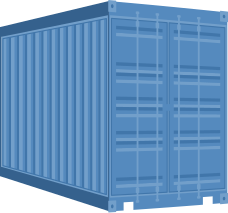
Finding the right storage unit is another important part of storing a fridge, as the environment it’s kept in can make all the difference in preserving its condition. Ultimately, a storage unit that’s clean, dry and well-ventilated will help prevent moisture buildup, mould growth and rust on the fridge’s exterior. This is where shipping containers come in.
Built to withstand the harsh conditions of the high seas, shipping containers are sturdy, waterproof and big enough to store multiple fridges (if you need to). Plus, at Pay Less For Storage, all our units offer drive-up access, which means you can park right outside your container, making it even easier to get your fridge in and out of storage.
Just remember that shipping containers are built to be watertight. This means that while they’re great at keeping water out, they’ll also trap any moisture already inside the unit. This is why it’s so important to ensure your fridge, and any other items you put in storage, are absolutely 100% dry. You might even consider placing moisture absorbers inside the container just to be safe.
Positioning the Fridge in the Unit
As well as finding the perfect storage unit, where and how you place the fridge in storage plays a big role in preserving its condition as well.
- Keep it Upright: As mentioned, always store your fridge in an upright position to prevent damage to the compressor and other internal components.
- Allow Air Circulation: Try to leave some space around the fridge, rather than pushing it right up against the walls. This allows for airflow and reduces the chance of moisture building up inside or outside the fridge.
- Raise it Off the Ground: If possible, place the fridge on wooden pallets or blocks to keep it slightly off the ground. This protects the fridge from any potential dampness or cold floors and helps with airflow.
Leave the Doors Slightly Open
One of the most important steps when storing a fridge long-term is ensuring proper airflow inside the unit and the way to do this is as easy as it is important: keep the doors open.
- Prevent Mould and Odours: Leaving the fridge doors slightly ajar will help prevent musty odours and mould from developing over time. You can prop the doors open with a rolled-up towel or a small object.
Pro Tip: You can also place an open plastic container of baking soda or coffee grounds inside the fridge to absorb and prevent odours for long-term storage.
- Secure the Doors: While it’s important to leave the doors open slightly, make sure they are still stable and won’t swing open or close completely. You don’t want the doors to be moving around if there’s any air circulation or if you’re moving other items in and out of the storage unit.
By following these simple but effective tips, you’ll ensure that your fridge stays in the best condition possible during its time in storage. When you’re ready to use it again, your fridge will be clean, dry and fully functional.
FAQs
How do you store a fridge when not in use?
Before storing your fridge, clean it thoroughly and ensure it’s completely dry. Leave the doors slightly open to allow air circulation and prevent mould or odours. Store it upright in a dry, cool place to keep it in good condition.
How long can you store a fridge without using it?
If stored correctly, fridges can be stored for around 12 months if properly cleaned and maintained. It’s a good idea to check on the fridge occasionally during long-term storage to ensure there are no issues with moisture or mould.
What to do before putting a fridge in storage?
Unplug the fridge 24 hours in advance, defrost it, clean it thoroughly and dry it completely. Remove all shelves and drawers and leave the doors ajar for ventilation.
Is it okay to leave a refrigerator unplugged?
Yes, it’s fine to leave a refrigerator unplugged as long as it’s empty, clean, dry and the doors are left slightly open. Proper storage will help prevent mould, mildew and odours.

Matt Wallace
Matt is a Director of Pay Less for Storage. He blogs tips for storage customers and helps them navigate self storage.

Looking for
self storage?
Here are our self storage
locations across the UK