There’s a time for many people when they feel their home is too large or cluttered for their needs. Whether you’re considering downsizing to a smaller home, because your kids have flown the nest (and left all their stuff behind!) or you’re just looking to simplify your life, downsizing can be a liberating experience.
However, as exciting as moving can be, downsizing and decluttering can be overwhelming. Adjusting to a smaller space, deciding which of your things to keep and discard and saying farewell to sentimental belongings isn’t easy — but that’s where this guide comes in.
We’ll help you through the process of downsizing your home, from making practical decisions about what to keep to decluttering strategies that make the process more manageable. From room-by-room tips to simple rules for letting go, we’ll show you how to tackle downsizing quickly, efficiently and confidently.
By the time you’re done, you’ll not only have a home that suits your lifestyle but also the peace of mind that comes with letting go of things that no longer serve you. Plus, we’ll explore how self storage can give you the extra space you need during this transition.
Thinking About Downsizing?
After years of climbing the property ladder, downsizing could feel like taking a step in the wrong direction, but there are plenty of benefits to having a smaller home — especially if you have grown-up children and empty bedrooms.
Chief among the reasons for downsizing is the amount of money you could make on your current home and the long-term savings that come with living in a smaller property. This gives many people new ways to simplify life and free up time for hobbies, family and travel.
On the other hand, there are some things you should think about before making the decision to downsize, including what to do with your belongings. We’ve got plenty of tips and tricks for decluttering your home below, but first, let’s take a look at the pros and cons of downsizing:
Pros
- Financial Savings: With a smaller home comes reduced costs, including lower mortgage or rent payments, cheaper utility bills and fewer maintenance expenses. This can leave you with more disposable income to enjoy or save for the future.
- Less Maintenance: Fewer rooms mean less cleaning, upkeep and fewer repairs.
- A Fresh Start: Downsizing offers an opportunity to declutter and start anew, allowing you to prioritise only the belongings that truly matter. It’s a chance to create a home that fits your current lifestyle.
- Environmental Benefits: Smaller homes tend to use fewer resources, which reduces your energy consumption and carbon footprint.
Cons
- Limited Space: Moving into a smaller home means you’ll have less space for belongings, which can be difficult to adjust to as sentimental items or furniture may need to go.
- Emotional Impact: Downsizing can feel like closing a chapter, especially if you’re moving from a home full of memories.
- Costs of Moving: While downsizing saves money in the long term, the immediate costs can add up. Moving expenses, possible renovations and purchasing new, smaller furniture are all worth considering.
- Smaller Soirées: For socialites who like to entertain, a smaller home means smaller parties with less room for guests to stay overnight.
How to Declutter Your Home
If you do decide to downsize, or if you simply feel like you’ve got too much stuff and not enough space, then the next step will be to declutter your belongings.
Regardless of whether you’re downsizing or decluttering, it can feel like a mammoth task, one that could make you ask “Where do I even begin?”. However, a clear plan and the right mindset can go a long way to making your decluttering process more manageable. Here’s how:
1. Set Clear Goals
Before you begin, it’s important to know why you’re decluttering. Are you moving to a smaller property or simply embracing a more minimalist lifestyle? Understanding your motivation will help guide your decisions on what to keep and what to let go of.
2. Take Inventory of Your Belongings
Go through each room and take stock of what you own. It can be surprising how much stuff we accumulate over the years, especially in larger homes. Don’t rush this step — be thorough and make note of items that have been stored away and forgotten.
3. Use the Four-Box Method
A tried-and-tested way to downsize is by using the four-box method. As you work through each room, place items into one of these categories:
- Keep: Essential items that you use regularly and want to keep.
- Donate: Items that are still in good condition but you no longer need.
- Sell: Valuables that could bring in some extra cash.
- Discard: Anything broken or unusable.
4. Start with the Easy Stuff
Begin your downsizing journey by tackling the easiest items first — clothes, paperwork, or duplicates like extra kitchen gadgets. By starting small, you’ll build momentum and feel more confident when it’s time to make tough decisions with more sentimental items.
5. Consider Storage
It’s normal to feel attached to certain belongings, especially those with emotional weight. If you’re not quite ready to let them go, self storage could be the solution you’re looking for. It allows you to downsize without losing important pieces of your past, and you can always revisit these items later when you’re ready.
6. Give Yourself Time
Decluttering doesn’t have to happen overnight. Take your time to go through each step thoughtfully. It’s better to work steadily and make good decisions than to rush and regret what you let go of. Set realistic deadlines for each stage, but don’t be too hard on yourself if it takes a little longer.
Expert Tips for Decluttering
As well as knowing how to get started on clearing out your home effectively, there are a range of other tips, tricks and strategies for decluttering that can make the process even more efficient, less stressful and even fun.
You don’t have to employ all of the tips mentioned in this section, but there may be a handful of strategies that work for you. So, without further ado, here are some expert tips to help you clear out unnecessary and unwanted clutter while staying focused and organised:
Declutter One Room at a Time
Breaking down the decluttering process into smaller, more manageable tasks can help prevent feeling overwhelmed. Start with one room or even one part of a room, like a cupboard, wardrobe or set of drawers. By focusing on one area at a time, you’ll feel more accomplished and less daunted by the overall task.
The 20/20 Rule
Struggling to decide whether to keep or get rid of something? That’s where the 20/20 rule can help. The idea is simple: if it costs less than £20 and can be replaced in less than 20 minutes, it’s probably safe to let it go. This tip works well for those “just in case” items that tend to clutter up space but are rarely used — like the frisbee you threw once, or the mug you never drink from.
The 5-Year Rule
Another way to determine what’s worth keeping or ditching is the 5-year rule. If you haven’t used an item in the last five years, it’s time to let it go. This rule is particularly helpful when going through items like old clothes or kitchen gadgets that have been left collecting dust.
Give Away One Item a Day
A simple but effective way to declutter is to give away just one item per day. Over the course of a year, that’s 365 items removed from your home.
Pro Tip: If you’re finding this too easy, increase the number to two or three items per day — the results will speak for themselves!
Speed Fill a Donation Bag
Grab a black sack, set a timer (for as long or as short as you feel like) and see how quickly you can fill it with items to donate. This is a great way to eliminate clutter quickly. Once you’ve filled the bag, head straight to your local charity shop.
View Your Home as a First-Time Visitor
It’s easy to overlook clutter in your own home. Try entering your house as if you were visiting it for the first time — what stands out? Write down your first impressions and use them to guide your decluttering efforts.
Take Before and After Photos
Pick a small area of your home, like a kitchen counter or desk and take a ’before’ photo. Then, once you’ve decluttered the space, take an ’after’ photo. Seeing the transformation can motivate you to tackle other areas and continue the process.
Ask Yourself: Would You Buy It Now?
When deciding whether to keep an item, ask yourself if you would buy it again today. If the answer is no, it’s probably time to let it go. This simple question can help you make quicker, clearer decisions during the decluttering process.
Go Digital
In today’s digital age, things like photos, videos, documents and music can be stored electronically — either on physical hard drives or the cloud. Instead of hanging on to physical copies of every bank statement, consider digitising them. This way, you can declutter without losing anything important.
Pro Tip: If you can’t decide whether to use physical hard drives or cloud-based storage, why not do both? This way you’ll have backups for each.
Tackle Sentimental Items Last
Sentimental items are often the hardest to part with, so it’s best to leave these until the end of your decluttering process. Once you’ve gained momentum with easier decisions, you’ll feel more prepared to tackle the emotional side of downsizing.
Set Decluttering Deadlines
Without a clear deadline, decluttering projects can drag on indefinitely. Set yourself a target date to complete each area of your home, and break larger tasks into smaller and more doable steps. Whether it’s one room per weekend or a drawer per day, having a timeline can help you stay motivated.
The Benefits of Self Storage when Downsizing
While there’s a lot of reasons why people use self storage, the benefits of having a secure and contained space to keep your belongings really come into their own when you’re moving into a smaller home.
The extra space alone is great for managing your belongings and can take away some of the pressure of making immediate decisions about hard-to-part-with items. It also means you don’t have to immediately find buyers for the things you want to sell, or sell anything for less than it’s worth.
Aside from having more space to store and manage your belongings, here are some other benefits to renting a storage unit:
- Flexibility: Whether you need storage for a short period during the downsizing process or for the long term, self storage offers flexibility. You can rent a unit for as long as you need it and adjust the size as your storage needs change.
Pro Tip: At Pay Less for Storage, we offer flexible short and long-term rentals and same-day cancellation, so you don’t have to worry about paying for more time than you need.
- Declutter Without Commitment: Self storage allows you to clear out space in your home without making final decisions about what to keep or discard. It gives you time to live in your newly decluttered space and gradually decide what you want to do with your stored items.
- Secure and Safe: Most self storage facilities offer secure, monitored environments where your belongings are safe. If you’re concerned about fragile or valuable items, a storage unit can give you peace of mind.
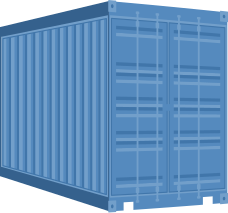
At Pay Less for Storage, all our sites feature electronically controlled access, steel perimeter fencing and 24/7 CCTV surveillance. Plus, because all our units are modified shipping containers, you can rest assured that your belongings will be protected against the elements.
FAQ
What is the 20/20 rule for decluttering?
The 20/20 rule suggests that if an item costs less than £20 and can be replaced in under 20 minutes, it’s safe to let go. This rule helps you get rid of those items you keep “just in case” you need them, without worrying about future inconvenience.
What should I remove first when decluttering?
Start with the easiest items to declutter, such as clothes you no longer wear, expired toiletries and old paperwork. Tackling easy wins first helps build momentum for more challenging decisions later on.
What is the 5-year rule for decluttering?
The five year rule advises getting rid of items you haven’t used in the last five years. If something hasn’t been needed or missed during that time, it’s likely no longer necessary in your life.
How to downsize your home in the UK?
Begin by setting clear goals and taking inventory of your belongings. Use methods like the four-box method to sort items into categories and consider renting a self storage unit for items you’re not ready to part with yet.

Matt Wallace
Matt is a Director of Pay Less for Storage. He blogs tips for storage customers and helps them navigate self storage.

Looking for
self storage?
Here are our self storage
locations across the UK