If you’ve never used self storage, you might wonder how it all works. Do you need to book ahead? Can you just turn up and take things out whenever you want? And what exactly are you getting when you rent a storage unit?
In this guide, we’ll walk you through everything you need to know — from what a storage unit actually is to how self storage actually works. Whether you’re thinking about renting a unit or just curious about the process, we’ll cover the basics, clear up common misconceptions and help you feel more confident about getting started.
Self Storage: What Is It?
If you’ve never used self storage before, it can be hard to picture exactly what you’re getting. Is it like a locker? A garage? Do you have to ask someone at reception to fetch your things?
While there are many different types of self storage, most are simply secure, private spaces that you rent out as a place to keep your belongings. They provide a dedicated space only you can access (though some facilities will let you share units with friends and family).
Each unit is secure, lockable and available in different sizes depending on what you need to store, whether it’s a few boxes or the contents of an entire house. Think of it like having an extra room or garage — one you can lock up, visit when you need to and organise however you like.
Once you have a unit, you’re free to come and go during the facility’s access hours. It’s entirely self-service: no need to book appointments or request access to your stuff. You can bring new items in, take things out and reorganise your unit at any time.
How Do Shipping Container Units Work?
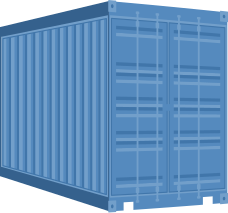
At Pay Less For Storage, all our units are converted shipping containers — the same heavy-duty steel containers used to transport goods across the globe. They’re tough, weather-resistant and designed to keep your belongings safe and dry.
All our containers are located outside, at ground level, for easy drive-up access. That means no lifts, no trolleys and no long walks through maze-like corridors — simply park outside your unit, unlock it and you’re in. It’s that simple.
What Can’t You Use a Storage Unit For?
While self storage is flexible, it’s not a free-for-all, and there are some important rules on what you can (and can’t) do inside your unit. These rules are there to keep everyone safe and ensure the space is being used responsibly and as intended.
Here are a few things you generally can’t do in a storage unit:
- Live or Sleep: Storage units aren’t residential spaces. They don’t have plumbing, heating or ventilation systems suitable for living in, which is why staying overnight is strictly prohibited.
- Run a Business: While you can store tools, stock and business documents, you can’t set up a permanent workspace, host meetings or use it as a registered office address.
- Recreational Activity: Storage facilities aren’t designed for high-impact activity, excessive noise or long periods of use, so setting up a gym, band practice space or workshop isn’t allowed.
Although it’s not common, some storage providers do allow their units to be used for reasons other than storage. If you’re unsure, there’s no harm in asking your storage provider directly.
Storage Restrictions
Storage units are designed to be secure and safe, but that only works when everyone follows the same rules. To protect all customers, their belongings and the staff running the facility, there are strict regulations around what you’re allowed to store.
Items that are flammable, explosive, corrosive or otherwise hazardous are not permitted under any circumstances. That includes things like petrol cans, fireworks, gas cylinders, paint thinners and certain cleaning chemicals. You also can’t store weapons, stolen goods or anything illegal.
You’re also not allowed to store anything perishable or likely to attract pests — including food, plants and unsealed pet supplies. For a full breakdown, check out our complete guide on what you can’t keep in a storage unit.
How Self Storage Works
You’ll be glad to know the process of renting and using a storage unit is remarkably straightforward. Here’s a quick overview of what to expect:
- Finding the Perfect Storage Facility: While some storage facilities are better than others, the right one for you will depend largely on your needs and budget.
Try to find a unit based in a convenient location that offers the right-sized unit and boasts plenty of positive customer reviews. It’s also worth checking opening times, especially if you need to regularly access your unit.
Pro Tip: At Pay Less for Storage, all our sites are open 24/7, with electronic access and constant CCTV surveillance to maintain security.
- Getting the Right Size: Storage units come in a range of sizes — from small cupboard-sized spaces to larger rooms that can fit a whole house, or at least the contents of one! If you’re unsure what size you need, most providers can use their knowledge and expertise to help get an accurate estimate.
Pro Tip: Try our interactive storage calculator to work out how big a unit you’ll need.
- Booking Your Unit: Once you’ve worked out the size, booking is usually quick and easy. First, you’ll need to call your chosen provider to check availability and book a moving-in date (though you may also need to provide ID and a payment method). Some facilities let you book online, while others will call to confirm the details.
- Moving In: On move-in day, you’ll unlock your unit, load your items in and organise it however you like. You can come and go during the facility’s access hours — it’s fully self-service and you’re in control.
- Moving Out: Most storage providers offer flexible, rolling contracts, so you can generally stay for as long or as little as you like. However, some providers require minimum stays and most will ask for 14 days’ notice before moving out.
While moving out may require a little bit of planning, the process itself is very easy: simply clear out your unit, remove the padlock and let the team know.
At Pay Less For Storage, we like to keep things simple, which is why we offer no-notice moving out terms. Just let us know once you’ve moved out, and we’ll send someone to check the unit. Then we’ll refund you for any unused time, along with your deposit.
If you’re looking for a more detailed guide on the full process, from finding the right size to moving your items in, check out our step-by-step beginner’s guide to renting a storage unit.
What’s It Like to Use a Storage Unit?
Once your storage unit is set up, day-to-day use is simple. You come and go during access hours, unlock your padlock and manage your space however you like. There’s no need to notify anyone or book in advance. Whether you’re dropping things off, picking something up or reorganising your boxes, you’re in control.
Making the Most of Your Space
Because you manage the space yourself, it’s worth putting a bit of thought into how you arrange it, especially if you plan to visit regularly. Here are a few simple ways to stay organised:
- Keep the things you’ll need more often near the front of your unit.
- Stack boxes safely (with heavier items at the bottom) and label everything clearly.
- Use shelving if you want to maximise vertical space.
- Leave a small walkway so you can access everything easily.
Storage units work best when they’re easy to use, so think of it as setting up a space you’ll appreciate coming back to. For more practical advice, check out our guide to organising a storage unit.
FAQs
How does paying for storage work?
Most storage providers charge monthly, with payments usually taken in advance. You’ll often pay a deposit when you first sign up, which is refunded when you move out. However, at Pay Less For Storage, we’ll also refund you for any unused time when you leave.
How long can I spend in a storage unit?
You can usually rent a unit for as long as you like — from a few weeks to several years. Once you’ve moved in, you’re free to access your unit during the facility’s opening hours, which can be as limited as 9–5 or as open as 24/7 (as is the case with all our units at Pay Less for Storage).
Can you leave things you don’t want in a storage unit?
No — anything you leave in your unit must be stored intentionally. Abandoning unwanted items is against the terms of use and may result in extra charges. Always clear out your unit properly when moving out.
Do I need my own lock for a storage unit?
Sometimes. Many storage facilities ask you to provide your own padlock or buy one from them. However, at Pay Less for Storage, we provide a strong weather-proof lock as standard, which will sit in a tamper-proof lockbox on your unit.

Matt Wallace
Matt is a Director of Pay Less for Storage. He blogs tips for storage customers and helps them navigate self storage.

Looking for
self storage?
Here are our self storage
locations across the UK