From trying to find the best unit, getting comprehensive insurance coverage and wading through the jargon of rental agreements, renting a storage unit for the first time can be overwhelming. So, if you’re wondering how renting a storage unit works, the good news is that it’s much easier than you think!
Whether you’re decluttering your home, preparing for a move or just need a bit more space, storage units are a simple way to keep your belongings safe and secure.
In this expert guide, we’ll walk you through everything you need to know, from choosing the best storage unit to understanding rental agreements. By the end, you’ll be ready to find and rent the best storage space for you.
Why Rent a Storage Unit?
There are many reasons people turn to self storage when they need somewhere to stash their belongings — so many in fact that we wrote an entire post on why people rent storage units. Whether you’re a family moving home, a student travelling abroad or a business with excess inventory, storage units offer a flexible and secure way to keep your belongings safe.
Here are some of the most common reasons people rent storage units:
- Moving House: To keep things safe and accessible during a move, and allow some time to settle in without lots of clutter!
- Downsizing: Store belongings you’re not ready to part with but don’t have space for.
- Seasonal Storage: Free up space by storing seasonal items like Christmas decorations, garden furniture and sports equipment.
- Business Storage: Safeguard excess inventory, documents and equipment for your business.
- Temporary Solutions: Accommodate life changes, such as renovating your home or travelling abroad.
If you’re unsure of the size you’ll need, many storage providers offer size guides or can help you estimate how much space your belongings will take up. At Pay Less For Storage, our converted shipping containers are available in two sizes (10ft and 20ft), but if you’re still not sure, then we also have an interactive storage calculator to help you work out the size you need.
Different Types of Storage
Believe it or not, there are many different types of self storage, from specialist vehicle storage to small box-sized units in large facilities. Knowing how to find the best storage for you comes down to understanding your needs (what you’re storing and how long for) and your options.
Here’s a quick overview of the most common types of storage to help you:
Shipping Container Storage Units
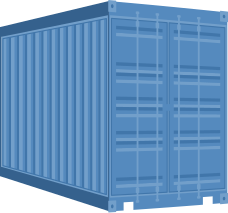
Originally designed to transport goods around the world, converted shipping containers are sturdy, robust and waterproof. This makes them perfect for protecting what’s inside from the outside, which is important as that’s normally where they’re kept. However, this also means that shipping container units often provide drive-up access for easy loading and unloading.
Indoor Storage Units
Indoor units provide additional protection from external conditions, sometimes (but not always) with climate control to maintain stable temperatures and humidity levels. This makes them ideal for particularly delicate items like artwork and musical instruments.
These units are often found in large storage facilities, which is great if you’re looking for enhanced security and units in various sizes. However, they’re not so good for accessibility as storage centres often have limited opening hours and units are often located within a maze of stairways and corridors (plus there’s rarely any drive-up access).
Outdoor Storage Units
Outdoor units offer convenient drive-up access and are great for storing less sensitive items. However, they may not provide the same level of protection as shipping containers or indoor units. They work well for temporary or bulky items that don’t require climate control.
For a deeper dive into the different types of storage units — such as portable storage, collection storage, vehicle storage and even wine storage — check out our dedicated guide: Types of Storage Units.
How to Find the Right Storage Unit
With so many different types of storage units, and so many providers, you may find yourself feeling overwhelmed by choice. However, finding the right storage unit is about weighing your priorities and knowing what’s available.
For a detailed breakdown of what to look for, you might want to check out our complete guide on How to Choose a Storage Unit. In the meantime, here are some of the key factors to consider:
Location Matters
Convenience is key when choosing a storage unit. Look for a facility that’s close to your home, work or wherever you’ll need easy and frequent access. A convenient location can save you time, hassle and petrol, especially if you’re making regular trips to your unit.
Security
Security should be a top priority when storing your belongings. Facilities with 24/7 CCTV surveillance, gated access and sturdy locks on units provide peace of mind. At Pay Less For Storage, our shipping container units are designed with security in mind, combining robust construction with secure facilities.
Accessibility & Convenience
Think about how and when you’ll need to access your belongings. Some facilities restrict their opening hours to the standard 9-5 on weekdays — which isn’t great if you plan on visiting your unit before or after work.
At Pay Less for Storage, all our facilities are open 24 hours a day and every unit offers drive-up access, which makes loading and unloading much easier.
Cost & Value
While price is always a factor, don’t just choose the cheapest option. Look for a facility that balances affordability with the features you need, like good security and convenient access.
Long-term discounts or promotions, such as “first month free” offers, might help you save money, but it’s always worth running the maths on the long-term costs. An introductory offer might look appealing at first, but these can be used as mere marketing ploys that offer no significant value.
Pro Tip: At Pay Less for Storage, we keep our costs low by keeping our overheads low and unlike some of our competitors, we typically only raise rents once every two years. To ensure we’re offering maximum value to our customers, we also do our utmost to keep any price hikes below the rate of inflation.
What You Need to Rent a Storage Unit
Once you’ve chosen a storage unit, you’ll be glad to know the rest is pretty straightforward. Simply call your chosen storage facility to check their availability, book a moving-in day and ask whether there’s anything you need to do before checking in.
Most storage facilities have similar requirements, so here’s what you’ll typically need ahead of storing your belongings:
- Identification: Do you need ID to rent a storage unit? Yes! Storage facilities usually require valid identification to set up your rental agreement. Acceptable forms of ID often include a passport, driver’s license or another government-issued photo ID.
- Payment Method: Most storage facilities accept various payment methods, including debit or credit cards, and direct debits. While some may accept cash, this is becoming less common.
- Age Requirements: You typically need to be at least 18 years old to rent a storage unit in the UK. Some facilities may allow exceptions with a guarantor, but this is rare.
- Rental Agreement: You’ll need to sign a rental agreement that outlines the terms and conditions of your rental, including payment schedules, notice periods and any restrictions on what can be stored. Be sure to read the fine print and clarify any questions before signing.
- Insurance: While it’s not always required, many storage providers insist on seeing proof of insurance to ensure your belongings are protected. Some storage providers even offer their own insurance packages, but these don’t always offer the best cover or value, so it’s always worth getting quotes from third-party providers.
For more information, we have another guide that covers everything you need to know about storage insurance.
- Inventory: As well as insurance, some providers may also request an inventory of the items stored in your unit. This is also essential for insurance purposes and a great tool for keeping your storage unit organised!
What to Look for in a Rental Agreement
Before signing on the dotted line, it’s important to review your rental agreement carefully so you know exactly what you’re signing up for. This document is essentially a contract, one that outlines the terms and conditions of your storage rental and stipulates the terms you’ll need to adhere to.
In other words, making sure you know exactly what you’re agreeing to now, will help you avoid any surprises later. Here’s what to look out for:
- Payment Terms: Check how and when payments are due. Are they billed monthly? Is there a grace period for late payments, and if so, are there any penalties? Ensure the facility offers a payment method that suits you.
- Notice Periods: Understand how much notice you’ll need to give when ending your rental. Most facilities require written notice, typically 30 days, but it’s always good to double-check.
Pro Tip: At Pay Less for Storage, we offer a zero-day cancellation period, which means you can check out without giving us any notice. We’ll even refund you for any unused time!
- Rent Increases: Look for details on how and when rent increases may occur. Some providers raise rents frequently, while others commit to long-term pricing stability.
- Access Policies: Confirm the facility’s access hours and any restrictions that might apply. If you need 24/7 access, make sure this is included in your agreement.
- Insurance Requirements: Double-check whether proof of insurance is mandatory and whether the provider offers their own plans or recommends third-party providers.
- Restrictions on Stored Items: Storage facilities typically prohibit certain items, like hazardous materials, food or living things. Your agreement should include a clear list of prohibited items.
Pro Tip: For a list of items that you can’t keep in standard storage units, check out our guide on What You Can’t Keep in Self Storage Units.
Take the time to ask questions about anything you’re unsure of before signing. It’s better to make sure you fully understand the terms and conditions to avoid any future surprises.

Matt Wallace
Matt is a Director of Pay Less for Storage. He blogs tips for storage customers and helps them navigate self storage.

Looking for
self storage?
Here are our self storage
locations across the UK