As a musician, your instruments aren’t just tools — they’re investments, often with a sentimental value worth far more than their price tag. As such, they deserve and require proper care and protection, which is where storage units for musicians come in. Secure, convenient and inexpensive, self storage can help protect your musical instruments and equipment while freeing up space at home.
In this guide, we’ll explore the best practices for musical instrument storage, from general tips to specific advice for different types of instruments. Whether you’re storing a single guitar, a drum kit or an entire orchestra, our instrument storage tips will help keep your equipment in great condition, ready to use when you need it.
Why Use a Storage Unit for Musical Instruments?
Whether you’re a professional musician, part of a band or just a keen hobbyist with a growing collection, finding space for your instruments and equipment can be difficult, especially if you’re trying to declutter your home. But there are some other reasons people decide to keep the instruments in storage…
Why Musicians Choose Storage Units:
- Protect Your Investment: Instruments can be costly and proper storage helps protect them from accidental damage and theft. A well-secured and maintained storage unit ensures they’re safe when not in use.
- Make Space at Home: Instruments, amplifiers and other gear can take up a lot of room. Renting a storage unit means you can declutter your living space without worrying about where to keep everything.
- Perfect for Touring: If you’re often on the road or between gigs, having a dedicated place to store your instruments is a great way to keep them safe when you’re away.
- Store Everything: It’s not just instruments—storage units are ideal for safely keeping amplifiers, speakers, cables and other accessories that can clutter up your home or practice space.
Pro Tip: Be sure to check out our guide on how to store electronic equipment.
Expert Tips for Storing Musical Instruments
With a self storage unit, you can rest assured knowing your equipment is stored in a safe and easily accessible location. However, simply sticking your instruments and gear into a storage unit and forgetting about them isn’t always enough to keep them preserved and protected.
Ensuring your instruments are clean and that the unit you’re storing them in is dry are the first steps to keeping them in good working order. However, if you’re looking to keep them in pristine condition, there are a few extra steps you should take to give yourself total peace of mind.
- Clean & Dry: Before placing your instruments in storage, ensure they are clean and dry — this is a step you can’t afford to skip. Dirt, dust and moisture can cause lasting damage, especially when left unattended for a long time.
- Prevent Condensation: Instruments can be vulnerable to moisture, which can lead to rust, mould and warping. To avoid this, make sure your instruments are stored in their cases with silica gel packs or moisture absorbers inside. These help reduce condensation and protect the material.
Pro Tip: For more information, check out our guide on how to prevent condensation in a storage unit.
- Protective Cases: Always store your instruments in sturdy, well-padded cases. This not only helps shield them from accidental bumps but provides additional protection from moisture and dust.
- Raise Above Ground: To avoid exposure to cold or damp floors, use shelves or pallets to elevate your instruments. Storing cases off the ground provides an extra layer of protection against condensation or any potential leaks.
- Avoid Stacking: If you need to stack boxes or other items in your storage unit, make sure they aren’t placed on top of delicate instruments. Stacking too much weight can cause damage, especially to stringed instruments.
- Check Regularly: If possible, try to check on your instruments every few weeks to ensure everything is as you left it. While you shouldn’t encounter any problems, checking your storage unit regularly will ensure you quickly spot any issues that do occur.
- Get Insurance: Contents insurance for your storage unit is a must if you’re storing anything of high monetary or sentimental value, like instruments. Insurance will help protect your items against unexpected events that are out of your control, like fires, floods and natural disasters.
Storing Different Types of Instruments
Different instruments have different needs. Whether you’re storing delicate string instruments, brass and woodwind instruments or electronic equipment like amplifiers, it’s important to take the right precautions to ensure they’re kept in good condition. By storing your instruments according to their needs, you’ll help protect them from potential deterioration and yourself from costly repairs.
Storing String Instruments (Guitars, Violins, etc.)
- Loosen the Strings: String tension can cause warping over time, especially when stored for long periods. Make sure to loosen the strings slightly to reduce stress on the neck.
- Use Padded Cases: Invest in sturdy, well-padded cases for your string instruments. This will help shield them from accidental bumps or temperature changes that can cause damage.
- Avoid Direct Floor Contact: Place the cases on shelves or pallets to keep them elevated off the cold floor, which could expose them to unnecessary moisture or temperature fluctuations.
Storing Brass Instruments (Trumpets, Trombones, etc.)
- Clean Thoroughly: Brass instruments should be carefully cleaned before storage, especially around the valves and slides, to prevent corrosion or dirt buildup. Applying a small amount of valve oil can help keep the valves moving smoothly after storage.
- Disassemble Parts: Remove mouthpieces and store them separately to prevent pressure from being placed on the instrument during storage.
- Use Well-Padded Cases: Brass instruments are particularly sensitive to dents, so ensure they are stored in a sturdy, well-padded case that offers protection from knocks or bumps.
Storing Woodwind Instruments (Clarinets, Saxophones, etc.)
- Remove Reeds: Always remove reeds and store them separately. Reeds left in place can deteriorate and moisture can build up inside the instrument.
- Clean Well: Woodwinds should be cleaned inside and out to avoid damage from moisture buildup. Pay particular attention to the pads, which can become sticky if not cleaned properly.
- Use Moisture Absorbers: Since woodwinds are sensitive to humidity, use silica gel packs or other moisture absorbers inside the case to prevent damage to the pads and wood.
Storing Percussion Instruments
- Disassemble Drum Kits: For large percussion instruments like drum kits, disassemble the components and store each piece separately. Cymbals, snares and stands should be packed with padding to avoid scuffs, scratches and dents.
- Use Protective Covers: If you’re storing larger percussion instruments like bass drums or timpani, be sure to cover them with breathable cloths to keep dust and dirt off the surfaces.
Storing Amplifiers & Electronics
- Keep Everything Dry: Ensure your electronics, including amplifiers and cables, are dry before storage to prevent corrosion or short circuits.
- Coil Cables Properly: Wrap cables neatly and store them in a cool, dry place to prevent tangling and damage. Consider using cable ties or organisers.
- Cover Amplifiers: Protect amplifiers from dust by covering them with dust sheets or bags, especially if they’ll be stored for a long time.
Finding the Best Storage Units for Musicians
Choosing the right storage space is just as important as properly preparing your instruments for storage. A good storage facility will help ensure your instruments stay safe, dry and easily accessible. Here are some key things to consider when selecting the best storage facility for your musical instruments:
- Security Measures: Your instruments are valuable, both financially and sentimentally, so it’s important to find a facility with strong security features. Look for facilities with 24/7 CCTV surveillance, secure gates and individual unit locks to give you peace of mind that your gear is safe.
- Well-Maintained Units: One of the biggest threats to stored instruments is moisture. Make sure the facility is dry and free from leaks or dampness. You should always check online reviews but it may be worth visiting the facility in person to ensure their units are dry and kept in good condition.
- Ease of Access: Depending on how often you need your instruments, ease of access is key. Some facilities offer 24-hour access, while others have more restricted hours. Think about your schedule and how frequently you’ll need to get in and out of your unit.
- Convenience: Consider the location of the storage facility. It’s often best to choose one that’s near your home or rehearsal space for easy trips when you need to grab your equipment.
- Shapes & Sizes: Make sure the storage facility offers units large enough for your needs. You’ll need a space that comfortably fits your instruments, cases and any additional gear.
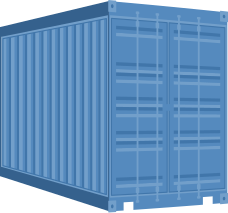
At Pay Less for Storage, we exclusively offer converted shipping containers as storage units. These units were designed to transport goods (including instruments and electronics) across the high seas while protecting them from some of the toughest weather conditions on the planet. They’re waterproof, weather-resistant and very spacious — meaning you can fit large drumkits and extensive guitar collections if needed.
Plus, we provide 24/7 electronic access to all our sites (all of which are monitored by CCTV and feature robust steel perimeter fencing) and each unit features drive-up access, which makes loading and unloading a breeze.
So, if you and your band have just finished a nearby gig and you don’t want to risk leaving everything in the van, you can drive to any of our storage units at any time, park right outside your unit and quickly move everything back into storage.
FAQs
How do you store instruments?
To store instruments properly, ensure they are clean and dry before packing them in sturdy, padded cases. Use moisture absorbers like silica gel packs inside the cases to prevent condensation. When possible, store your instruments off the ground and avoid stacking heavy items on top of them.
How to store instruments in a small room?
If space is tight, consider using wall-mounted racks, shelves or storage hooks to keep your instruments organised and off the floor. For smaller instruments, investing in stackable storage bins or cases can help maximise available space. Always keep your instruments in their cases when not in use to protect them from dust and moisture.
Can you play an instrument in a storage unit?
In most cases, storage units aren’t designed for playing or practising. Noise restrictions and the lack of soundproofing in many facilities make it impractical. However, always check with the specific storage provider, as some units may have designated spaces for this purpose.
Can you use a storage unit as a jam space?
Most self storage facilities, including Pay Less for Storage, do not allow customers to use units as rehearsal spaces. Storage units are designed for storing, not for regular activities like jamming or practising. It’s always best to check with your provider, but generally, storage units aren’t equipped for this purpose.

Matt Wallace
Matt is a Director of Pay Less for Storage. He blogs tips for storage customers and helps them navigate self storage.

Looking for
self storage?
Here are our self storage
locations across the UK