Have you ever thought about turning a storage unit into your own private gym? While it might sound like a great idea at first — having an affordable, dedicated space where you can work out whenever you want, without waiting for equipment — there are a few things to consider before you start ordering gym equipment.
Storage facilities have strict rules on how their units can be used, and health and safety regulations often mean that building a gym in a storage unit isn’t always as simple as it may seem.
In this article, we’ll explore whether you can use a storage unit as a gym, what restrictions might be in place and alternative options for when a storage unit gym isn’t an option. Whether you’re looking for a private place to train or thinking about starting out as a personal trainer, we’ll cover everything you need to know.
Can You Use a Storage Unit as a Gym?
The idea of converting a storage unit into a gym may be appealing, but is it allowed? In most cases, the answer depends on your storage provider and how you plan to use the space.
Personal Use
If you’re looking to use a storage unit as your own personal workout space, there’s a good chance you’ll run into some obstacles. For a start, many storage facilities prohibit customers from using their units for anything other than storage. Even if the space is for you and you alone, exercising inside a unit can pose safety risks, such as:
- Ventilation: Storage units aren’t designed for human occupancy, which means airflow can be poor, making workouts uncomfortable and unsafe.
- Extreme Temperatures: Most storage units aren’t climate-controlled, meaning they can get unbearably hot in the summer and incredibly cold in the winter.
- Lack of Facilities: Without access to running water, toilets or proper lighting, it’ll be hard to create a comfortable (or safe) environment for exercise.
- Noise Concerns: Dropping weights or playing loud music could disturb other storage users and lead to complaints.
If your goal is to create a private gym, one alternative solution might be decluttering your home and moving non-essential items into storage — more on this in a moment.
Running a Gym in a Storage Unit
What about using a storage unit to train clients? Unfortunately, this is even less likely to be allowed. Most storage contracts strictly prohibit commercial activities, meaning you can’t legally operate a business from inside your unit, but there are other issues as well:
- Liability: Storage facilities don’t usually carry insurance for injuries as a result of business operations occurring inside their units.
- Local Regulations: Local laws often prevent commercial activities in storage facilities, especially ones involving customers coming and going.
- Limited Amenities: Without proper flooring, mirrors or shower facilities, a gym in a storage unit is unlikely to attract many customers.
If you’re a personal trainer looking for an affordable space, you might want to look into renting a small commercial unit or setting up a mobile training business in your local park.
Storage Unit Considerations for a Gym Setup
Even if your storage provider allows you to use your unit as a private gym, there are still a number of factors you need to consider. From choosing the right type of unit to dealing with practical limitations, there’s a lot to think about…
Indoor Units vs. Outdoor Shipping Containers
There are many different types of storage units, and whether your unit is located inside a larger facility or outside as a stand-alone unit will play a big role in whether it could work as a gym. Indoor storage units are housed within larger buildings, offering more security and protection from the elements. However, most facilities won’t allow exercise inside due to fire safety rules, poor ventilation and the risk of disturbing other customers.
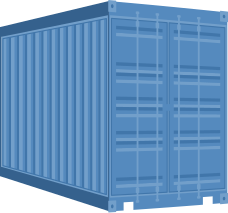
Outdoor shipping container units, on the other hand, may offer more flexibility since they’re standalone and often have direct drive-up access. But, while they remove the problem of shared hallways, they still lack essential amenities like running water, heating or air conditioning.
Regardless of the type of storage unit you’re looking at, space is another factor you need to think about. While some units might be big enough for gym equipment, they aren’t designed for movement-heavy activities like running or high-intensity training. Ceilings may be too low for certain exercises, and dropping weights or playing loud music could lead to noise complaints, even in outdoor units.
Alternatives to Storage Unit Gyms
Given all the limitations that come with self storage, renting out a traditional storage unit is unlikely to be your best option for a gym. Instead, here are some alternative solutions that offer many of the same benefits, without the downsides.
Buying Your Own Storage Unit
If you’re dead set on using a storage unit, then you might find it easier to buy your own shipping container and convert it into a home gym. This way you can use and modify your unit in any way you see fit, without all the red tape.
Shipping containers are durable, weatherproof and can be placed on your own land, giving you complete control over how you use them. You can insulate it, install proper ventilation and add power for lighting, heating and air conditioning (or at least a fan!), which will help create a much more comfortable and practical workout space.
While the upfront cost is higher, it’s a one-time investment rather than an ongoing rental fee. Plus, since the unit is on your own property, you won’t have to worry about storage facility rules limiting your usage.
Decluttering Your Home
If the problem is a lack of space, the simplest solution might be freeing up a room at home. By putting non-essential items into storage, you can create a dedicated gym space without having to rent a unit elsewhere.
A garage or spare room can be quickly transformed into a home gym with just a few key pieces of equipment. Not only is this more convenient, but you’ll also have access to essentials like running water, heating and proper flooring — things a storage unit won’t provide.
Joining a Gym
Generally speaking, renting a storage unit is much more expensive than a standard gym membership. While the cost of self storage varies depending on location and size, even a small unit can cost more than a membership to a well-equipped gym.
If your reason for wanting a private gym is to escape the maddening crowd, why not consider joining a high-end health club? Many offer private workout spaces, specialist equipment and quieter environments that might provide the experience you’re looking for — without the inconvenience or cost of setting up a gym from scratch.
Whatever your reason for wanting a private workout space — whether it’s to avoid crowds, access specific equipment or train on your own schedule — a gym membership will likely be the most cost-effective and practical option.
FAQs
Can you put gym equipment in a storage unit?
Yes, most storage facilities allow you to store gym equipment, but only if it’s not being used inside the unit. If you’re keeping weights, treadmills or other fitness gear in storage, make sure to protect it from dust, moisture and rust.
Can you use a self storage unit as a gym?
In most cases, no. Storage providers generally prohibit customers from working out inside their units due to safety concerns, lack of ventilation and noise complaints. While some people may attempt it, it’s rarely allowed and isn’t the most practical option.
Can I run a business from a self storage unit?
Most storage providers don’t allow businesses to operate from their units, and gyms or personal training services are particularly problematic due to health and safety regulations. If you’re a personal trainer looking for a space to train clients, you might be better off renting a commercial unit or setting up a mobile training business.
Can a warehouse be used as a gym?
Yes, many independent gyms operate out of warehouse spaces. Unlike storage units, warehouses are designed for commercial use, making them a much better option if you want to set up a private gym or training facility.

Matt Wallace
Matt is a Director of Pay Less for Storage. He blogs tips for storage customers and helps them navigate self storage.

Looking for
self storage?
Here are our self storage
locations across the UK