As exciting as moving home can be, it’s rarely straightforward. Whether you’re caught in a long property chain, waiting for your new-build home to be completed or temporarily relocating before settling into a new place, there’s always a chance you’ll find yourself in limbo between moving out of your old house and into your new one.
That’s where self storage comes in. Whether you need a place to store everything you own or just a few key items, a storage unit offers a secure and flexible solution while you wait for moving day. In this guide, we’ll walk you through everything you need to know, from choosing the right storage unit to organising it efficiently and retrieving your belongings when it’s time to move into your new home.
Why Use a Storage Unit When You’re Between Homes?
Self storage isn’t just a backup plan — it can make your move much easier. Instead of cramming your belongings into a short-term rental or asking friends and family to hold things for you, a storage unit provides a safe space to keep everything organised until you’re ready to move in.
Beyond solving logistical headaches, self storage also reduces the stress of moving by giving you more control. You can store items at your own pace, retrieve things when you need to and settle into your new home without feeling rushed or overwhelmed by boxes.
Common Reasons for Using Storage Between Homes
Sometimes, delays are completely out of your hands, while in other cases, you might choose to store your belongings to give yourself time to settle in. Whatever the situation, having a storage unit lined up means you can be prepared for anything.
Here are some of the most common scenarios where temporary storage can make a house move easier:
- Property Chain Delays: If your sale goes through before you can move into your new home, a storage unit keeps your belongings safe while you wait.
- New-Build Setbacks: Builders missing deadlines? Rather than scrambling for last-minute solutions, you can keep everything stored securely until your home is ready.
- Temporary Relocation: If you’re moving abroad, working in another city or staying with family before settling somewhere permanent, storage gives you flexibility without cluttering up someone else’s space.
- Downsizing & Renovating: If you need time to sort through your possessions before moving into a smaller home, or if renovations mean your new house isn’t quite ready, storage can help bridge the gap.
How Self Storage Reduces Stress During a Move
Moving house is stressful enough without having to worry about where to keep your belongings. Using self storage takes the pressure off, allowing you to focus on the logistics of your move without feeling overwhelmed by piles of boxes or last-minute deadlines. Here’s how it can make things easier:
- Control: Instead of rushing to fit everything into tight deadlines, storage allows you to move on your terms.
- Security: With a good-quality unit that’s safe and secure you can rest assured knowing that your furniture, clothes and valuables stay protected until you’re ready to collect them.
- Space: If you’re staying in a short-term rental, hotel or with family, you won’t have to live surrounded by boxes.
Choosing the Right Storage Unit for Your Needs
Not all storage is the same, and when you’re between homes, choosing the right type of unit can make a big difference. You’ll want a unit that’s secure, accessible and the right size for your belongings.
What to Consider When Choosing a Storage Unit
Storage needs vary from person to person, so it’s important to weigh up your needs against your options. Here are some of the key factors to consider when choosing a storage unit:
- Size: Storage units come in a wide range of sizes, from small lockers to large warehouse-style spaces. If you’re storing furniture, appliances and multiple boxes, you’ll likely need a medium-sized unit at the very least.
Pro Tip: It’s always better to slightly overestimate how much space you’ll need rather than end up with a unit that’s too small for your belongings. If you do end up with a much bigger unit than necessary, most storage providers will let you switch to a smaller unit provided they have availability.
- Accessibility: Some facilities have restricted access hours, while others allow 24/7 entry. If you think you’ll need regular access to your belongings, be sure to check this in advance.
Pro Tip: At Pay Less for Storage, not only do all our sites offer 24-hour access, but every one of our units also has drive-up access, which can make loading and unloading much easier.
- Security: A good storage facility should have security measures in place, such as CCTV, perimeter fencing, controlled access points and strong locks that are both weather-resistant and tamper-proof.
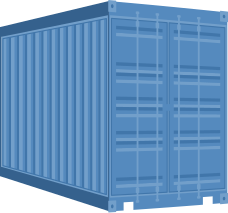
- Indoor vs. Outdoor: Indoor self storage units may offer climate control and extra security but usually only operate during set business hours and are often more expensive. Meanwhile, outdoor shipping container units, like those we offer at Pay Less For Storage, are secure, weatherproof and cost-effective, making them a great option for temporary storage.
- Cost & Contract: Some providers require a minimum rental period, while others offer rolling contracts. Be sure to check whether you’ll need to pay upfront, what notice period is required and if there are any additional fees.
Pro Tip: At Pay Less for Storage, we run a zero-day notice period, which means you can cancel your contract and move out of your unit all on the same day. We’ll even refund you for any unused time.
For a full breakdown of how to find the best storage unit for you, check out our detailed guide.
Why Choose Shipping Container Storage
Originally designed for transporting goods all around the world, shipping containers are built to withstand harsh conditions, making them robust, weatherproof and reliable. They’re also much less expensive to run and maintain than indoor storage units, which in turn makes them much cheaper.
On the other hand, indoor storage units have higher electricity, utility and staffing costs — plus, the big brand storage providers have equally big marketing budgets. While many people find comfort in using companies they’ve heard of, it usually comes at a cost.
Here’s why shipping container storage can be a great temporary solution while you’re moving home:
- Secure & Durable: Made from high-grade steel, shipping containers provide solid protection for your belongings. Many facilities also have additional security measures such as CCTV and controlled access points.
- Drive-Up Access: Unlike indoor units that require navigating hallways and lifts, shipping containers allow you to drive right up to the door, allowing for easy loading and unloading.
- Cost-Effective: Because they have significantly fewer overheads than large indoor storage facilities, shipping container storage is often one of the most budget-friendly options.
At Pay Less For Storage, all our shipping container units are secure, waterproof and accessible 24 hours a day, making them a convenient option for temporary storage between moves.
How to Move Items into a Storage Unit
Moving your belongings into storage isn’t just about loading up a van and dropping everything off. Planning can go a long way in making the process smoother and more efficient, keeping your items safe and ensuring you can easily access what you need while your belongings are in storage.
Whether you’re storing everything you own or just a few non-essentials, following these steps will help you get your items packed, transported and organised. For a more detailed look at some of the advice given in this section, be sure to check out our complete list of Self Storage Tips.
Packing Your Belongings for Storage
Before moving anything into a storage unit, it’s essential to pack properly. Good packing helps prevent damage, makes unpacking easier and allows you to maximise the available space in your unit. Here are some key tips:
- Use Strong Boxes: Sturdy cardboard or plastic boxes offer better protection than flimsy bags. Try to use boxes of a similar size to make stacking easier.
- Wrap Fragile Items: Use bubble wrap, packing paper and blankets to protect delicate belongings like glassware, electronics and mirrors.
- Disassemble Bulky Furniture: Taking apart large furniture items, like sofas and tables, saves space and makes transportation easier.
Pro Tip: Keep screws and any small parts in labelled bags so they don’t get lost — you could even tape the bag to a discreet part of the furniture they belong to.
- Accessible Essentials: If you’ll need certain items while your belongings are in storage, such as important documents, seasonal clothing or tools, pack them separately and store them near the front of the unit.
Transporting Your Items to Storage
Once everything is packed, the next step is getting it to your storage unit safely. How you do this depends on how much you’re moving and what kind of transport you have available.
- Hiring a Removals Company: If you’re moving a house full of furniture and boxes, using a professional removal service can save time and effort. Many companies also offer storage drop-offs as part of their services.
- Using a Rental Van: A cost-effective option if you’re comfortable handling the move yourself. Just be sure to check the van size, weight limits and access points at your storage facility in advance.
- Using Your Car: If you’re moving on a budget and you only have a few items to store, moving them in your own car (assuming they’ll fit!) might be the easiest, most flexible and low-cost option.
Organising Your Storage Unit for Easy Access
A well-organised storage unit can save you time and frustration when you retrieve your belongings. Taking a little extra effort when loading your unit will make things much easier later down the line.
- Keep an Inventory: An inventory isn’t just a useful tool to keep track of all the items inside your unit, but it will also be an essential document should you need to make a claim on your self storage insurance.
- Create a Layout: Think about how you’ll arrange items inside your unit before you start unloading. Store larger, less-used items at the back and essentials near the front.
- Stack Strategically: Place heavier boxes on the bottom and lighter ones on top to prevent boxes from getting crushed. If possible, leave a narrow walkway so you can reach items at the back.
- Use Shelves: If your storage provider allows, you might consider adding temporary shelving, which can make a big difference in organising small items.
- Label Everything: Even if you think you’ll remember what’s in each box, clear labels make retrieval much easier, especially if your storage period lasts longer than expected.
For more expert advice, be sure to check out our complete guide on How to Organise a Storage Unit.
Getting Your Belongings Out of Storage
Once you’re ready to move into your new home, it’s time to retrieve everything from your storage unit. Providedyou’ve strategically packed your belongings and organised your unit, retrieving your belongings should be a breeze, but that’s not to say it can’t be made even easier.
As always, a little planning can go a long way in ensuring that moving out of storage goes just as smoothly as moving in — especially if you’ve stored lots of items or have been using the unit for longer than expected. The last thing you want is to arrive unprepared, only to realise you don’t have enough space in your vehicle or that essential items are buried at the back of the unit.
To avoid stress and unnecessary delays, follow these steps to make moving out of storage as easy as possible:
- Check What You Need: If you’ve stored a mixture of essential and non-essential items, consider whether everything needs to come out at once. For example, when thinking about what you’ll need on your first day in your new house, your kettle probably trumps your lava lamp.
- Arrange Transport in Advance: If you hired a removal company or rented a van when moving in, you may need to book one again. However, your own car might be enough if you’re willing to make multiple trips.
- Check Storage Access Times: If your facility has restricted hours, be sure to plan your move-out accordingly to avoid last-minute issues.
Retrieving Your Belongings
When it’s time to empty your unit, working methodically will make the process much easier. Start by removing the most important items first. Essentials should already be near the front, so retrieving them first can save you from unnecessary lifting and shifting.
If you’re dealing with heavy furniture or bulky boxes, lift carefully to avoid injury (bend at the knees rather than straining your back) and ask for help with awkward or heavy items. Using a trolley or dolly can also make the process quicker and safer, particularly if you have a lot to move.
Before loading everything into your vehicle, check that boxes are securely closed. Items may have shifted over time, and taking a moment to repack fragile or loose belongings can prevent damage in transit. If your items have been in storage for a while, it’s also a good idea to give them a quick wipe-down or dust-off before taking them into your new home.
Cleaning & Closing Your Storage Unit
Before handing back your unit, it’s worth taking a few minutes to check everything over and make sure you’re leaving it in good condition. While it will be tempting to shut the door and head to your new home, a little effort now can save you potential issues later — whether that’s avoiding forgotten belongings or ensuring you don’t get charged a cleaning fee.
Start by doing a final walk-through to check for anything that might have been overlooked. Small items can easily get lost in the corners of a storage unit, especially if you’ve been moving things in and out over time. Give each section of the unit a once-over to make sure nothing has been left behind.
Once you’re sure everything is out, take a moment to give the unit a quick clean. A simple sweep to remove dust and debris is usually enough, but if you notice any spills or dirt left from furniture or boxes, wiping these down will help keep the unit in good condition for the next user.
Finally, if you’ve used your own padlock remember to take it with you! This is an easy step to overlook in the rush of moving out, but leaving it behind can cause confusion for the storage provider. Taking it with you also means you’ll have it ready to use again if you need storage in the future.
FAQs
How to move items into storage?
Start by packing everything securely using sturdy boxes, protective materials and a good labelling system. Plan your transport — whether hiring movers, renting a van or making multiple trips in your car — and load heavier items first to prevent damage. Once at your unit, organise your belongings efficiently to allow easy access.
Is it worth it to put things in storage?
If you’re between homes, self storage offers a secure, flexible solution to keep your belongings safe until you’re ready to move in. It prevents clutter in temporary accommodation and removes the stress of last-minute logistics. While there’s a cost involved, the convenience and peace of mind can be well worth it.
How do you pack a storage unit for moving?
Start by placing heavier, less-used items at the back and lighter or frequently needed items near the front. Stack boxes securely, use shelving where possible and create a clear walkway to access items without having to unload everything. Label all boxes and keep an inventory so you know exactly where things are.
How do I get stuff out of storage?
Plan ahead by checking your unit’s access hours and arranging transport if needed. Retrieve essential items first, lift carefully to avoid injury and secure everything properly before loading into your vehicle. Before leaving, do a final check to ensure nothing is left be

Matt Wallace
Matt is a Director of Pay Less for Storage. He blogs tips for storage customers and helps them navigate self storage.

Looking for
self storage?
Here are our self storage
locations across the UK